Blog / Mulch film
Mulch filmBenefits of plastic mulch film for berry crops
If you're still planting berries on bare soil, plastic mulch film is probably the most cost-effective upgrade you can make to your production system. It's an upfront investment that pays back quickly through water savings, less weeding labor, and the better fruit quality it makes possible.
The main benefits
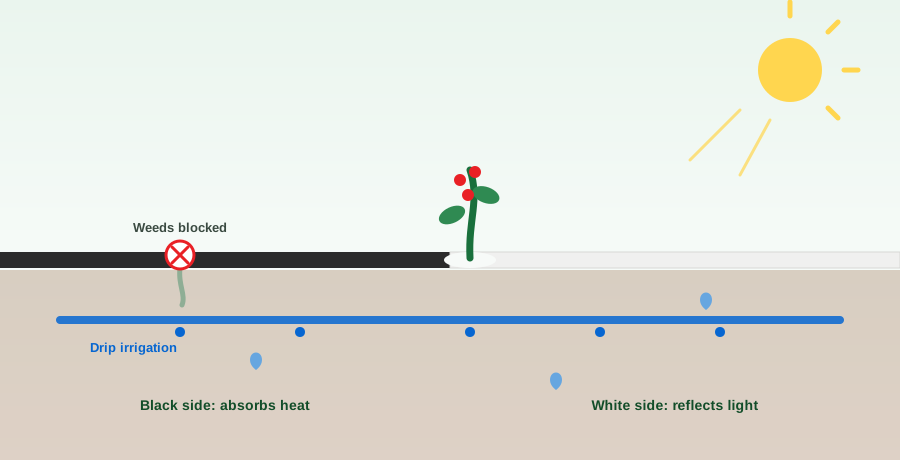
- Retains soil moisture: it reduces direct evaporation, so you water less often and get more out of every irrigation cycle, especially when paired with drip irrigation.
- Controls weeds: by blocking light, it stops weeds from germinating under the plastic, cutting down on manual weeding hours and herbicide use.
- Regulates soil temperature: white mulch film reflects sunlight and keeps soil cooler; black film absorbs it and warms the root zone — you can choose the color based on your cycle and climate.
- Cleaner, healthier fruit: without direct soil contact, fruit stays cleaner and the risk of rot from soil moisture drops.
- Less compaction and erosion: it protects soil structure from direct rainfall and constant foot or equipment traffic between rows.
Mulch film + drip irrigation: the combination that performs best
Mulch film delivers its best results when installed together with a drip irrigation system placed underneath the plastic. Water and nutrients reach the root directly, without being lost to evaporation or runoff, and the plastic keeps that moisture in place longer. That's exactly the combination we install as part of our irrigation and mulch film services.
An even installation makes the difference
Poorly installed mulch film — loose, badly sealed at the edges, or wrinkled — loses much of its benefit: wind gets underneath, it lifts, and weeds find a way through. That's why we install it with specialized machinery that stretches and seals the plastic evenly along the entire row.
Want a quote for mulch film and installation for your next berry planting?
Get a quote on WhatsApp